
M NIGHT SHYMALAN
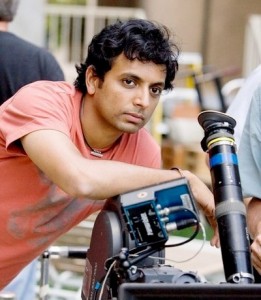
M. Night Shymalan is not a mystery. He might be shy about doling out advice in interviews, but his social media presence is very instructive for those who admire and follow him. He’s had a lot of ups and downs in his career, having broken out with 1999’s The Sixth Sense, which is still considered by many to be his best work and the best example of what he’s become famous for: the twist ending. His movies don’t always come together as well as that one, but he’s still a respectable filmmaker with a lot of good ideas and surprises up his sleeve now and again.
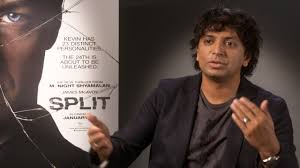
M. Night Shyamalan films often feature supernatural and otherworldly phenomena, they generally are not considered horror movies — in part because they’re relatively family-friendly affairs, focusing on plot and interpersonal relationships rather than explicit content. This clean, “classy” style of fright filmmaking has drawn comparisons to legendary director Alfred Hitchcock — a parallel aided by Shyamalan’s propensity for twisty storylines and cameo appearances in his own movies.
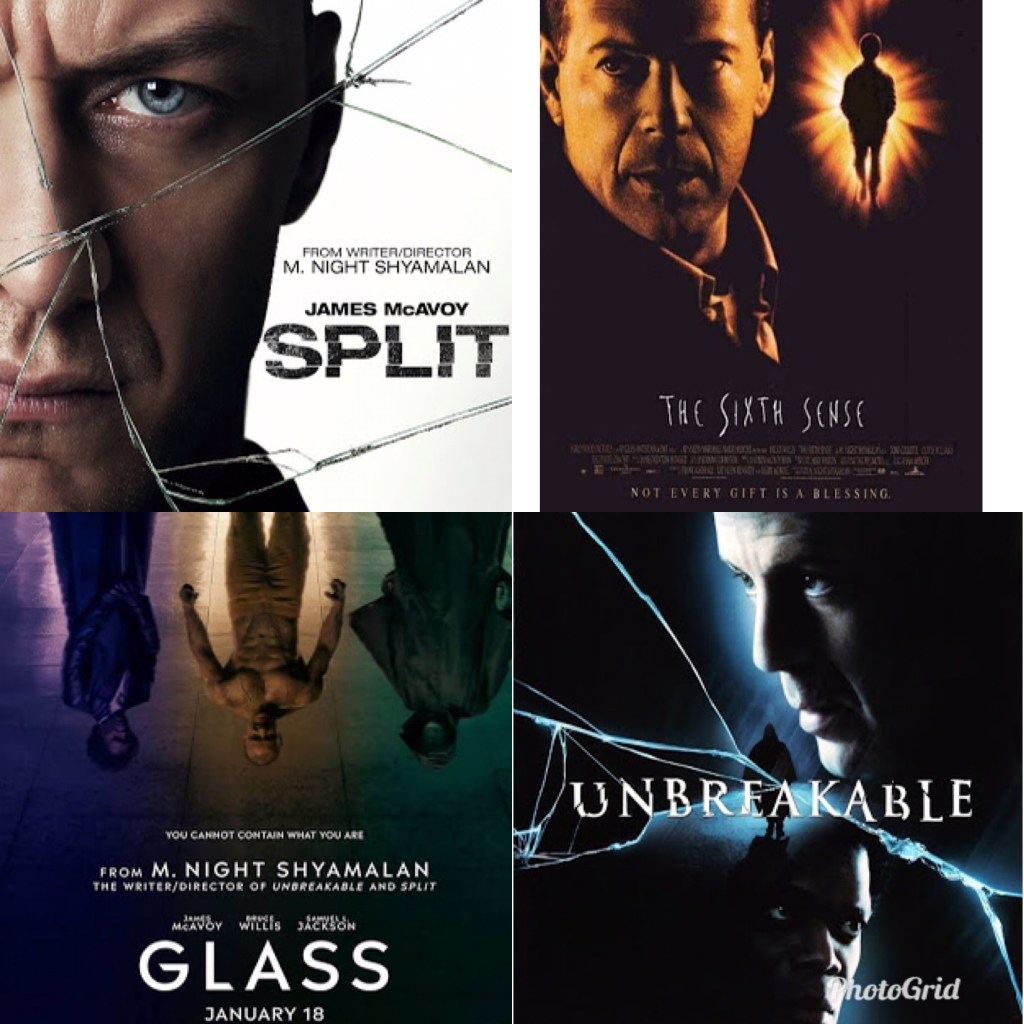
FILM STYLE
CAMEO
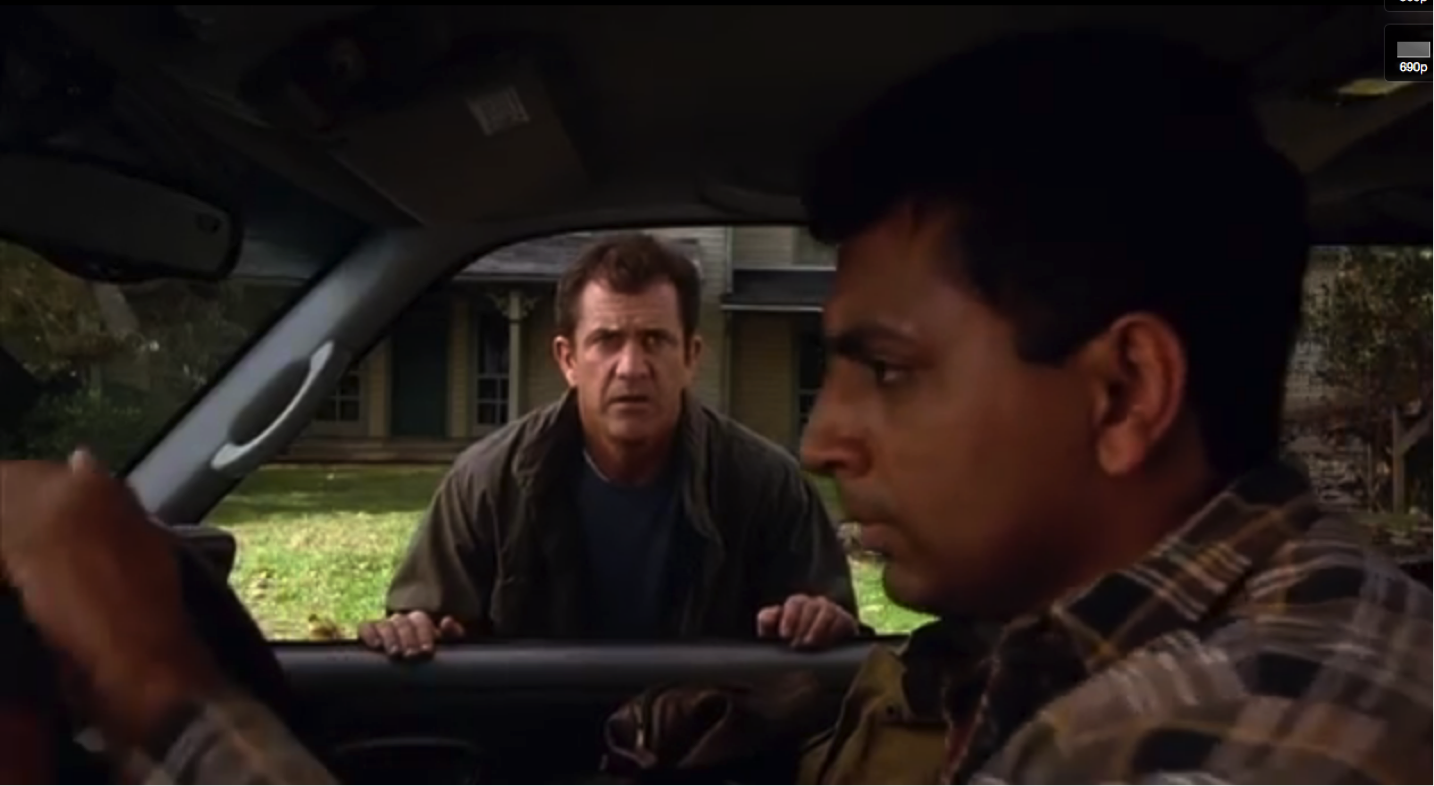
In Signs (M. Night Shyamalan, 2002), he himself stare as the killer of the Graham’s wife, and we could literally see him from the screen. In The Village (M. Night Shyamalan, 2004), he plays as the role of the chief officer, whom, only appeared in a reflection manner. In The Happening (M. Night Shyamalan, 2008), his style of putting himself in the movie has not changed, he did participate in the movie, but while audiences were curious about where is Shyamalan this time round. As what we found from the credits, he portrayed as Joey, the guy that texted Alma and talked on the phone with her. He did not show himself like previously, instead, the whole line and his appearance is only when Alma picked up his call and the voice over of ‘hello’ from the phone.
REFLECTION
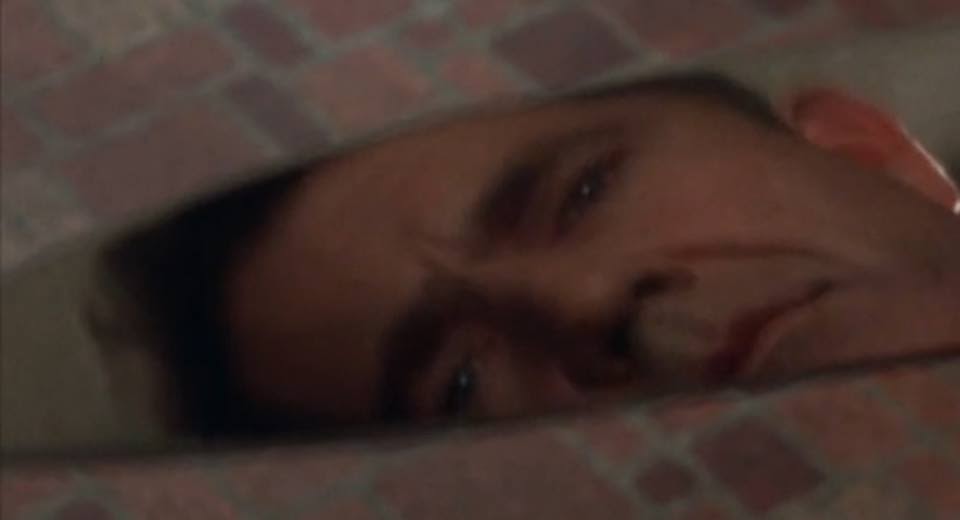
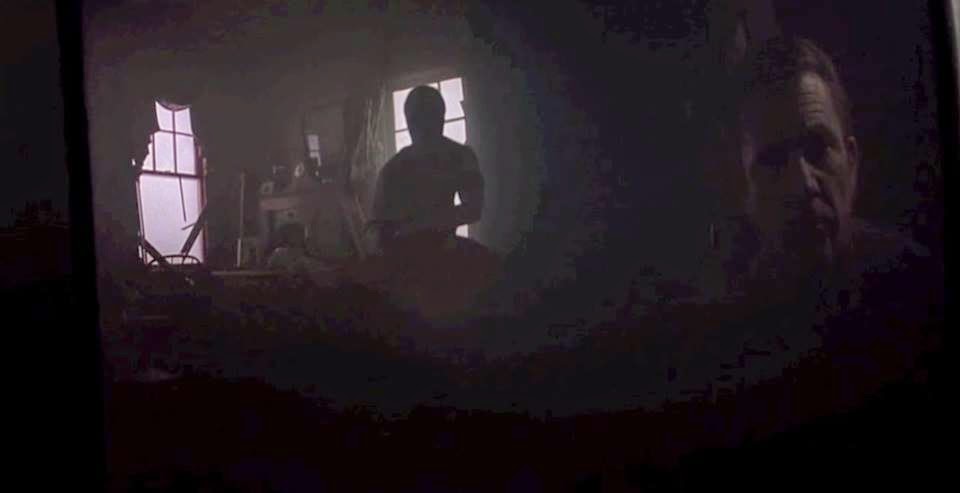
Unlike any other directors, the use of reflection is believed to be one of the visual style of M. Night Shyamalan especially the reflection from the item in our daily basis. For instance, in Signs (M. Night Shyamalan, 2002), Graham uses knife to reflect the alien under the door of the pantry.
CONTROLLED MIS-EN-SCENE
One of the very significant M. Night Shyamalan’s style is the controlled mise-en shot. He used 3 main camera techniques in most of his films. Other than close ups and tracking shots, he also constantly backs the camera away when something shocking is shown. In Signs (M. Night Shyamalan, 2002), the lighting and camera frame was controlled by following the movements of Graham and Merrill in the basement when they were finding where the air came from. The light and camera frame then stopped when they realised Morgan were standing right at the wall where the air entered the basement. The next shocking thing that happened was the alien’s hand grabbing Morgan’s neck from the hole where the air entered. In The Village (M. Night Shyamalan, 2004), controlled miss-en-shot was again, used on the scene when Ivy was crossing the woods alone to get to the town to get the medicine to save Lucius. When the creature appears behind Ivy, the camera frame followed her head movements, turning to face the creature who were actually Noah wearing the suits. The camera moves as if it is the Ivy’s head.
TWISTED PLOT WITH ENDING
One of Shyamalan’s style is to review the twist at the end of the story. In Signs (M. Night Shyamalan, 2002), the plot was twisted by the flashback cuts in Graham’s dream of her wife’s death. The flashback reviewed is character-motivated. The similar style was used in The Village (M. Night Shyamalan, 2004), however it works none like montage sequences. The flashback of the characters was taken out from diegesis. When Edward open the black box with the pictures of the elders and their family, none of the characters are thinking about the flashback. The reason of why the village was started is reviewed at the end of the story.
SHOTS
In order to establish a stronger and more emotional bond between the characters, M. Night Shyamalan uses long-take shots. For example, in “The Sixth Sense” shot duration helps him build up emotional bonds not only between Malcolm and Cole, but also between Cole and his mother, Lynn. There is also a scene in “Unbreakable” which is a direct analogue of the one that takes place at the “Anniversary Dinner” restaurant in “The Sixth Sense” with the only exception being that David Dunn is alive as he talks to his wife, Audrey. M. Night Shyamalan makes use of long-take shots in “Signs” as well in order to highlight the strong bond between the two brothers. The most notable scene between Graham and Merrill is when they sit before the television set and have a long conversation, in which they share their feelings on the menacing alien invasion and what they believe in. In such dialogue scenes, long-take shots are the most appropriate visual tool that can cast further emphasis on the strong emotional relationships between the main characters.
COLOR SYMBOLISM

The most consistent visual cue that you are watching a Shyamalan film is the way that bright colors are used in each film as some sort of symbol. Shyamalan uses a unique color or set of colors in each of his films to show importance and manipulate the visual tone. In The Sixth Sense, the color red is used to show that an important event is about to happen. White is contrasted with red to make it stand out. In Unbreakable, the colors green and purple are used as homage to the comic book-like story, and also to clearly define the protagonist and antagonist. Another example is in The Village, where yellow and red are contrasted. Yellow is used to show calm and normalcy while red is a warning, a danger.


Leave a Reply